


The Impact of Color in Graphic Design and Packaging

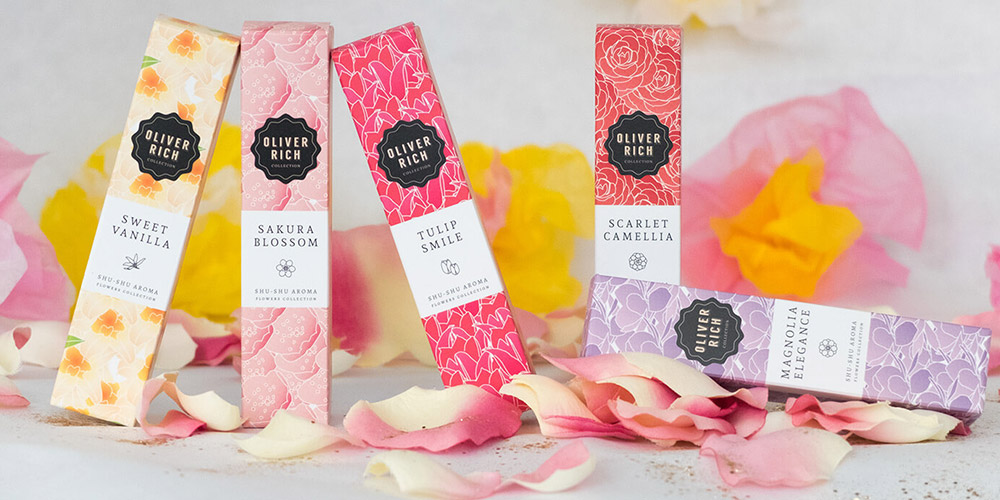
Colors are among the most powerful tools of visual communication and have a direct influence on consumers’ emotions, decision-making, and purchasing behavior. In graphic design and printing, choosing the right colors can enhance brand appeal, effectively convey messages, and encourage customers to buy. In this article, we explore the impact of color in graphic design and packaging and its role in marketing and print production.
Color Psychology and Its Effect on Customers
Each color evokes specific emotions and influences how audiences perceive a brand:
- Red: Conveys energy, excitement, and urgency
(Ideal for promotions, discounts, and sales campaigns) - Blue: Represents trust, calmness, and professionalism
(Commonly used by banks and technology brands) - Green: Symbolizes nature, health, and growth
(Suitable for eco-friendly brands and organic products) - Yellow: Evokes happiness, optimism, and attention
(Effective for cheerful, child-oriented advertising) - Black: Represents luxury, power, and elegance
(Widely used by premium and luxury brands) - Purple: Suggests creativity, mystery, and royalty
(Appropriate for artistic, beauty, and cosmetic brands)
Choosing Colors Based on the Target Audience
- Gender:
Some studies suggest that women tend to prefer softer colors such as purple and green, while men are more inclined toward darker colors like blue and black. - Age:
Children respond more positively to bright and vibrant colors such as red and yellow, whereas adults usually prefer neutral and subtle color palettes. - Culture:
Colors may carry different meanings across cultures. For example, white symbolizes purity in Western cultures, while in some Eastern cultures it is associated with mourning.
The Role of Color in Printing and Packaging
- Readability:
Color contrast is essential in print design. For instance, black text on a white background offers the highest readability. - Branding:
Consistent brand colors (such as Coca-Cola red or McDonald’s gold) increase brand recognition and memorability. - Packaging Appeal:
Attractive color choices on product packaging help products stand out on store shelves and capture customer attention.
Color Combinations in Graphic Design
Color Harmony:
Using the color wheel helps create harmonious combinations, such as complementary or analogous color schemes.
Number of Colors:
It is recommended to limit designs to 3–5 colors to avoid visual clutter.
Neutral Colors in Print:
Gray, white, and black can serve as base colors to balance and enhance the overall design.
Conclusion
Colors not only create visual beauty but also act as powerful tools in marketing and customer attraction. By understanding the impact of color in graphic design and packaging, applying color psychology, and using colors strategically in graphic design and printing, brands can significantly increase their influence and attract more customers.
Have you ever considered what message your brand’s logo color conveys to your audience?