


Common Packaging Materials
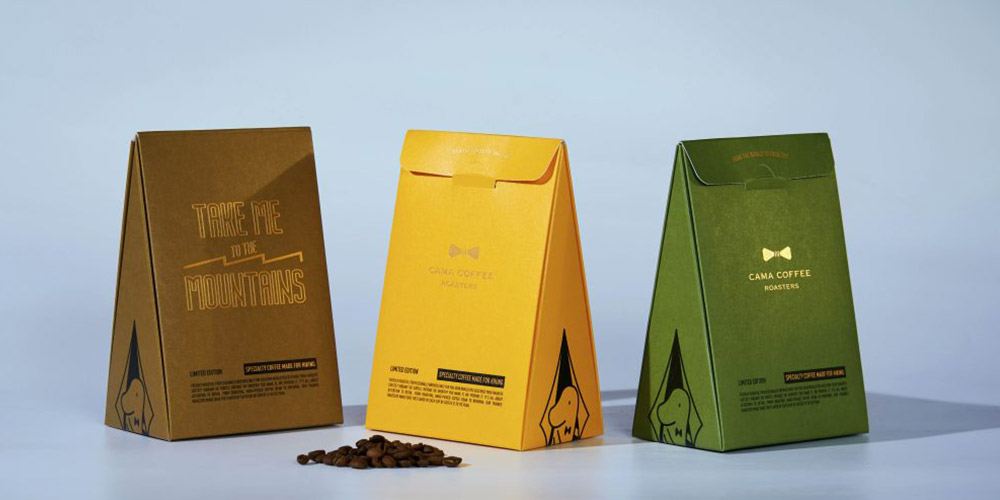
Due to the wide variety of packaging materials available today, packaging has become more attractive, functional, and higher in quality. Below are some of the most commonly used packaging materials along with their key characteristics, advantages, disadvantages, and applications.
Types of Packaging Materials
Paperboard / Carton
- Characteristics: Lightweight, recyclable, printable
- Advantages: Affordable, eco-friendly, easy to transport
- Disadvantages: Low resistance to moisture and pressure
- Applications: Dry goods packaging, electronics, retail packaging
- Plastic (PE, PET, PVC)
- Characteristics: Lightweight, flexible, moisture- and weather-resistant
- Advantages: High transparency, cost-effective, easy sealing and forming
- Disadvantages: Non-biodegradable; harmful to the environment if not recycled
- Applications: Food packaging, beverages, cosmetics
- Glass
- Characteristics: Rigid, transparent, infinitely recyclable
- Advantages: Excellent product protection, no chemical interaction
- Disadvantages: Fragile, heavy, high transportation costs
- Applications: Jam, honey, pharmaceuticals, perfumes, premium beverages
- Metal (Aluminium / Tin Cans)
- Characteristics: Strong, resistant to air and light
- Advantages: Long shelf life, complete content protection
- Disadvantages: Higher cost, requires special opening equipment
- Applications: Beverages, canned foods, sprays, chemical products
- Wood / Bamboo
- Characteristics: Natural, sturdy, visually appealing
- Advantages: Premium and traditional feel, ideal for gift packaging
- Disadvantages: Heavy, expensive, sensitive to moisture
- Applications: Gift packaging, agricultural products, handicrafts
- Ziplock Bags
- Characteristics: Resealable, lightweight
- Advantages: Reusable, convenient for storage
- Disadvantages: Less premium appearance, potential leakage
- Applications: Nuts and dried fruits, frozen foods, small components
- Fabric Packaging (Jute / Cotton)
- Characteristics: Soft, eco-friendly
- Advantages: Reusable, distinctive and natural appearance
- Disadvantages: Absorbs moisture, requires more storage space
- Applications: Specialty packaging, eco-friendly brands, bags and covers
- Aluminium Foil
- Characteristics: Thin, resistant to light and air
- Advantages: Excellent barrier properties, preserves freshness
- Disadvantages: Fragile, non-reusable
- Applications: Chocolate, dairy products, pharmaceutical packaging
- Bioplastics / PLA
- Characteristics: Biodegradable, plastic-like appearance
- Advantages: Environmentally friendly, professional look
- Disadvantages: More expensive than conventional plastics, requires specific composting conditions
- Applications: Food packaging, eco-friendly disposable containers
Important Considerations
- For food products, moisture-resistant materials with food safety approval (such as PET, aluminium foil, or bioplastics) are recommended.
- For luxury products, materials like glass, metal, or wood help convey a premium and high-quality image.
- In eco-conscious markets, recyclable or biodegradable packaging is considered a significant competitive advantage.
- Cost and weight play a crucial role in selecting packaging for large-scale transportation and distribution.